

Roswell Pricing Reality Check: 8 Signals Your Home Is Over- or Under-Priced
Pricing a home in Roswell can feel like trying to hit a moving target—especially when you're balancing emotional value, neighborhood pride, and the very real pressure of "getting it right" the first time. The truth is, the market gives clues quickly, and those clues are often louder than online estimates or well-meaning opinions. If you're preparing to sell (or you're already on the market), a simple reality check can save you weeks of stress and thousands of dollars. Below are eight practical signals that your home may be over- or under-priced, plus what to do next to protect your timeline and your leverage.
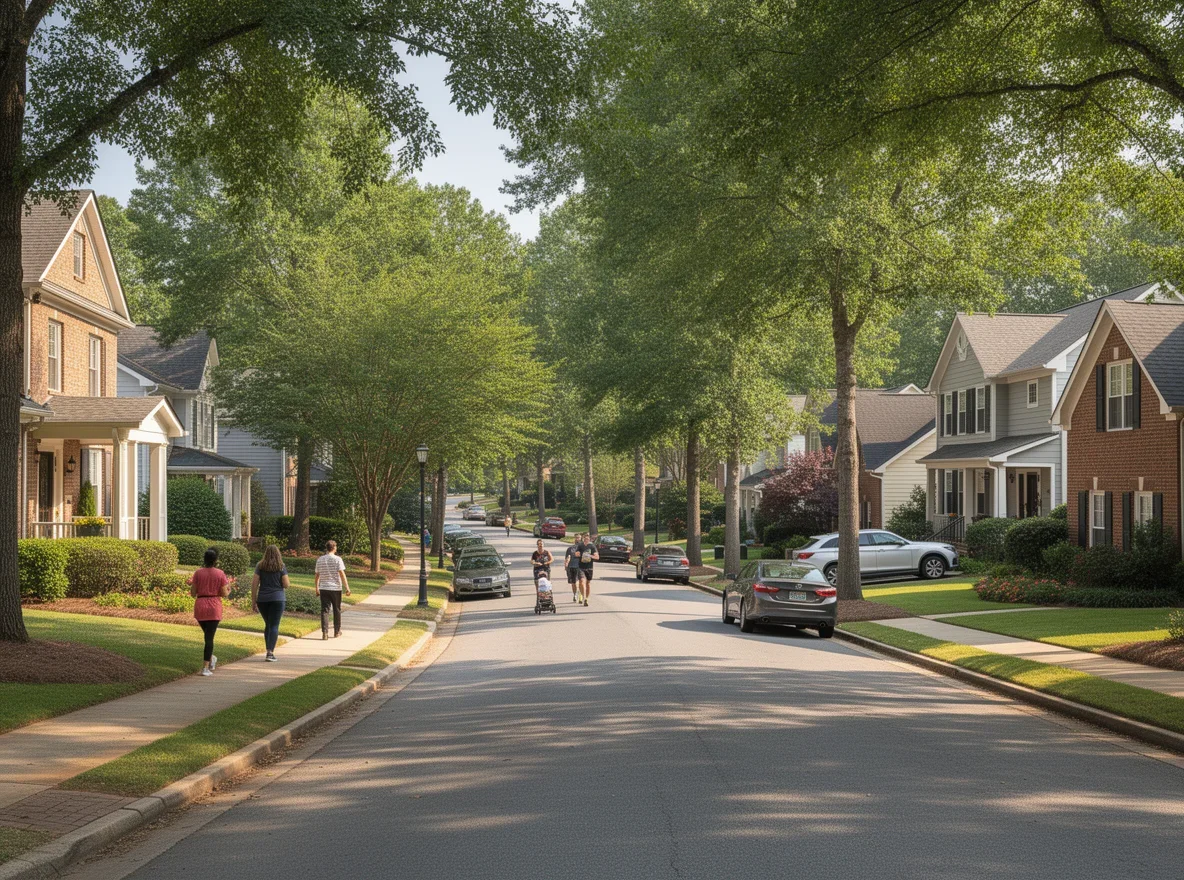
1) You get plenty of online views… but few showings. A strong click-through rate with weak foot traffic is one of the clearest "price mismatch" signs. Buyers will browse aspirationally, but they only schedule showings when the numbers feel plausible compared with nearby options. If your listing is competing with better-updated homes at the same price point, the market quietly votes "no" by not showing up.
2) Showings happen, but feedback circles back to price. Comments like "great layout, but…" or "we like it, yet it feels high for the finishes" are not personal—they're data. In Roswell, buyers tend to compare micro-neighborhoods, school clusters, and even the feel of the street. If multiple people mention price (or "value") independently, it's rarely a coincidence.
3) Your home is being compared to the wrong competitors. This is subtle but powerful. If buyers are touring your home alongside larger properties, renovated interiors, or more premium lot situations, your price is likely pushing you into a different tier. Pricing should place you against homes you can beat on condition, style, location, or amenities—not homes that outshine you on multiple fronts.
4) You're missing the "sweet spot" range for search filters. Many buyers shop in round-number bands. A home priced at $805,000 might miss both the "up to $800k" group and the buyers who start at $825k because they assume they'll be priced out. Strategic pricing is partly math and partly psychology; the right number can increase qualified traffic without changing anything else.
Eight Signals, One Goal: Create Competition
5) Days on market are climbing beyond your neighborhood norm. "Longer than usual" depends on the pocket of Roswell and the season, but your benchmark should be comparable homes—not the broader metro. If similar listings are going pending in two to three weeks and yours is still waiting at day 35, the market is telling you something. The longer a home sits, the more buyers assume there's a hidden issue, and price becomes the easiest explanation.
6) You're getting offers—but they're consistently low. Low offers aren't automatically "bad buyers"; they can be buyers making a rational adjustment for what they see as an unrealistic ask. If multiple offers cluster at the same lower range, that cluster may be your true market value. The goal is not to "win" a negotiation—it's to net well while keeping terms strong (financing stability, appraisal confidence, repair requests, closing timeline).
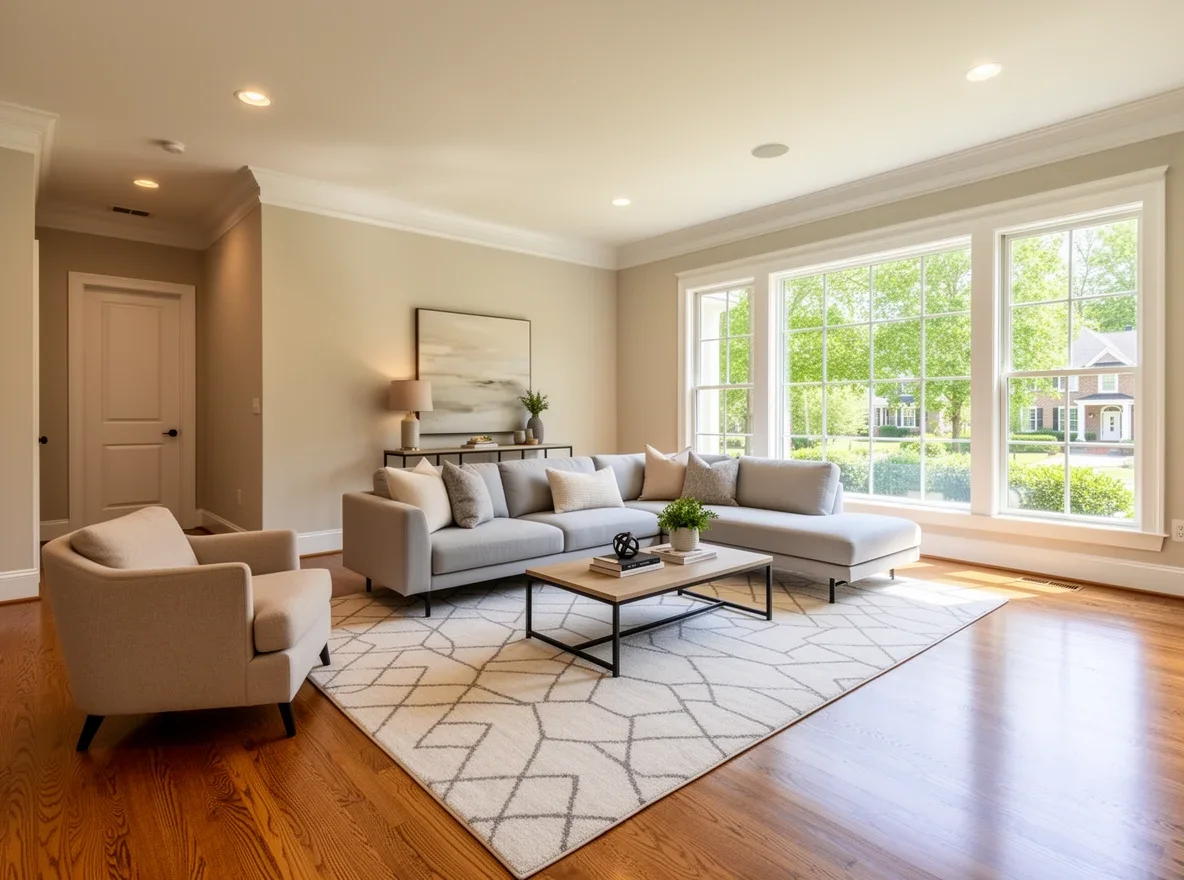
7) Your first weekend didn't deliver momentum. The first 7–10 days are the most powerful window because your home is "new" in every buyer alert, agent tour list, and saved search. If that launch window passes without meaningful activity, it often means you opened above where buyers believe value begins. The fix may be a price adjustment, but it can also be improving the presentation so the price feels justified—fresh paint, lighting upgrades, refined staging, and stronger photography can change perception quickly.
8) Appraisal risk keeps showing up in conversations. When a price stretches beyond recent closed comps, even interested buyers get cautious—especially with financed offers. If agents mention "it might not appraise," your pricing strategy may be relying on a future sale that hasn't happened yet. A strong plan anticipates the appraiser's toolkit: recent closed sales, condition adjustments, and location-based differences that can be defended with evidence.
These signals also work in reverse. If you're getting a flood of showings immediately, multiple offers in the first few days, and buyers waiving contingencies to win, your home may be under-priced (or priced intentionally low to spark competition). Under-pricing can be a smart tactic when executed with precision, but it's not a gamble—you need a clear offer review plan, strong marketing, and confidence that the buyer pool at that level is deep enough to bid up.
What to Do If the Market Is Voting "No"
Start with a calm, evidence-based reset. Review the listings that buyers are actually choosing: not just the homes that sold months ago, but the ones that went pending quickly with similar bed/bath count, lot appeal, and level of updates. Then look at your presentation with honest eyes. In luxury-leaning Roswell segments, buyers pay for effortlessness: clean lines, cohesive finishes, great lighting, and a home that feels move-in ready. If the home is dated, price must do the heavy lifting; if the home is updated, marketing and timing can carry more weight.
Next, consider a targeted adjustment rather than a slow drip of small reductions. One decisive move can reposition your home into the correct search band and re-ignite urgency. Combine that with refreshed photos (or a few new angles after improvements), a tightened description that highlights lifestyle and neighborhood advantages, and a clear call to action for showings. The point is to create a "yes, this makes sense" moment for buyers the instant they see the listing.
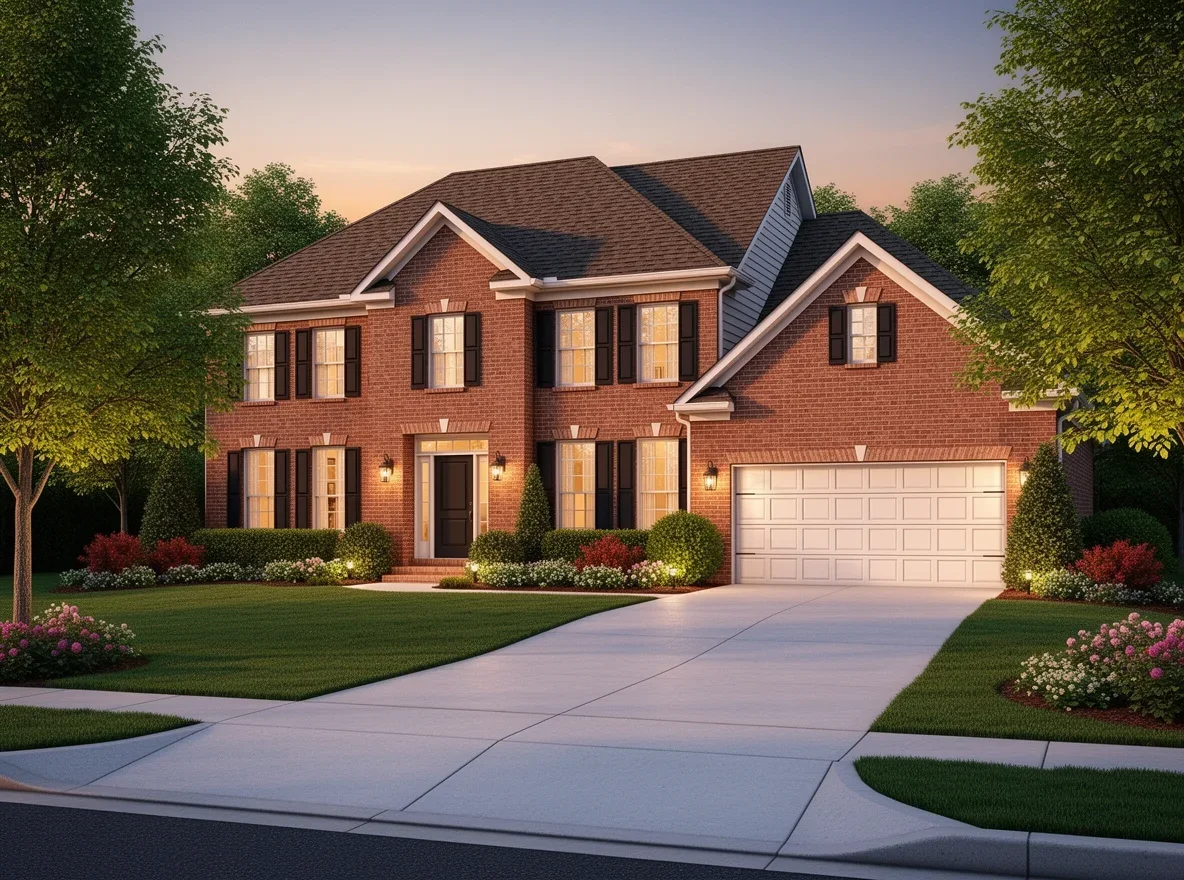
Finally, anchor your strategy in your bigger goals. If you're moving for schools, commute, downsizing, or a lifestyle shift, time matters. If you're protecting a legacy asset and maximizing proceeds, precision matters. Dyan Edwards approaches pricing with a mission-driven lens—pairing luxury-level positioning with practical market truth—so sellers can make confident choices that support long-term wealth, not just a quick win. The right price isn't simply a number; it's a message to the market about value, care, and credibility.
If you'd like a quick pricing reality check, focus on these eight signals and be willing to respond to what you learn. When your price aligns with the story your home tells—condition, location, and lifestyle—buyers don't just tour it. They compete for it.